
Understand that Private Blog Networks from providers like Hetneo promise tempting shortcuts for health websites: higher search rankings through manufactured backlinks, increased domain authority, and faster visibility in competitive medical niches. However, these perceived benefits come with devastating risks that specifically threaten health-focused sites operating in Google’s Your Money or Your Life category.
Google’s algorithms aggressively target PBNs, and penalties for health websites are particularly severe because medical misinformation can genuinely harm people. When your health content disappears from search results due to a PBN penalty, you lose more than traffic—you lose the trust of patients and healthcare professionals seeking reliable information.
The reality is straightforward: search engines have become remarkably sophisticated at detecting artificial link patterns, especially in heavily scrutinized health sectors. A single algorithmic update can demolish years of content work overnight, leaving your valuable health guidance buried where no one can find it.
This guide examines what PBN advocates claim, why these strategies backfire catastrophically for medical and wellness sites, and which legitimate link-building approaches actually build sustainable authority in the health space without risking your website’s future.
What PBN Links Really Are (In Plain English)
A Private Blog Network, or PBN, is essentially a collection of websites that someone creates or purchases for one specific purpose: to link back to a main website they want to promote. Think of it like building your own fan club—except instead of real fans, you’re creating fake websites that pretend to recommend your site.
Here’s how it typically works: Someone buys expired domain names that once had legitimate traffic and authority, sets up basic blogs on them, fills them with content, and then strategically places links pointing to their target website. The goal is to trick search engines into thinking multiple independent, credible sources are vouching for the main site.
For health website owners, this approach can seem particularly attractive. The health and wellness space is incredibly competitive, and Google heavily weighs authority when ranking medical content. Building genuine authority through expert credentials, research-backed articles, and natural backlinks takes considerable time—often years. PBNs promise a shortcut to that authority.
The appeal is understandable. You’re competing against established medical institutions, long-standing health publications, and well-funded wellness brands. When someone offers you ten or twenty backlinks from what appear to be respected health blogs, it can feel like the boost you desperately need to get your valuable health information in front of people who need it.
But here’s the critical question: Does taking this shortcut actually work, and more importantly, what are the real consequences?

The Promised Benefits: Why Health Sites Consider PBN Links
Faster Search Rankings in Competitive Health Niches
Private Blog Networks are frequently promoted as a shortcut for health websites trying to break into competitive markets. Proponents claim these networks can help sites quickly gain authority in challenging areas like CBD products, nutrition and alternative medicine, where established competitors dominate search results.
The appeal is straightforward: instead of waiting months or years to build organic backlinks, PBN links promise immediate ranking boosts. For health entrepreneurs eager to compete with long-standing wellness brands, this seems like an attractive solution. Some SEO providers specifically market PBNs to health sites, claiming they understand the unique challenges of breaking into these saturated markets.
However, it’s essential to understand what you’re really getting. While PBN links might produce temporary ranking improvements, search engines have become increasingly sophisticated at identifying manipulative link schemes. For health websites specifically, which fall under “Your Money or Your Life” content guidelines, the standards are even stricter. Google applies heightened scrutiny to medical and wellness sites because inaccurate health information can directly harm people.
The claimed speed advantage often comes with hidden costs that far outweigh any short-term gains.
Control Over Your Backlink Profile
One of the primary appeals of using a private blog network is the complete control it offers over your backlink profile. Unlike traditional link building where you must negotiate with other website owners, PBNs theoretically allow you to dictate exactly how and when links appear. You can choose your anchor text—the clickable words in a link—to perfectly match your target keywords, whether that’s “best supplements for heart health” or “natural remedies for arthritis.” You also control the timing of new links, the specific pages they point to, and even the surrounding content context. This level of precision is attractive for health website owners who want to rank for competitive medical terms without relying on others. In practice, this sounds like an efficient shortcut to visibility in a crowded health information space where organic link building can be slow and unpredictable.
Cost Efficiency Compared to Outreach
Proponents of PBNs often highlight cost savings as a major advantage over traditional outreach. Building relationships with health publishers, creating high-quality guest content, and securing placements on authoritative medical sites requires significant time investment and often comes with steep fees—sometimes hundreds or thousands of dollars per link. In contrast, PBN links can appear cheaper upfront since you control the network and avoid outreach costs.
However, this comparison overlooks the hidden expenses. Maintaining a credible PBN for health content means purchasing aged domains with clean histories, securing quality hosting, creating medically accurate content, and constantly updating sites to avoid detection. When Google penalizes your health website—a common outcome—you’ll face revenue loss, recovery costs, and potential damage to your professional reputation in the healthcare space. Traditional link building may cost more initially, but it builds sustainable authority without risking your entire online presence.
The Hidden Dangers for Health Websites Specifically
Google’s Stricter Standards for Health Content
Google holds health websites to significantly higher standards than other industries because health content can directly impact people’s physical wellbeing. These sites fall under what Google calls “Your Money or Your Life” (YMYL) categories, where inaccurate information could cause real harm.
The search giant enforces strict E-E-A-T criteria for health content: Experience, Expertise, Authoritativeness, and Trustworthiness. This means Google’s algorithms specifically look for content written by qualified medical professionals, backed by credible sources, and published on sites with proven track records in health information.
When it comes to link schemes like PBNs, health websites face much harsher penalties than, say, a hobby blog or entertainment site. Google recognizes that misleading health information poses serious risks, so algorithm updates frequently target health sites first. One expert SEO professional who works with medical practices notes, “I’ve seen health sites completely deindexed within weeks of using manipulative link building, while sites in other niches took months to see similar penalties.”
The reality is that Google invests substantial resources into identifying artificial link patterns in the health space. If your health website gets caught using PBNs, recovery isn’t just difficult—it can take years, effectively destroying your ability to reach people who need legitimate health information.
The Penalty That Kills Trust Overnight
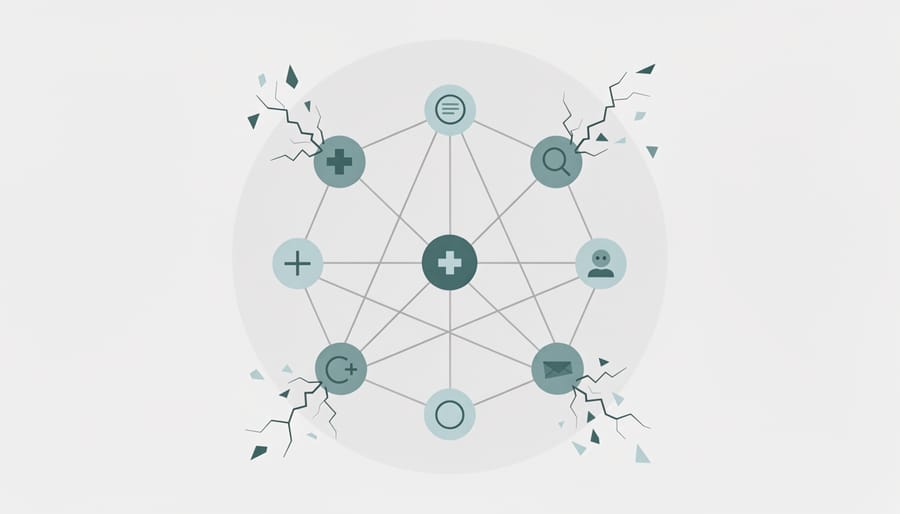
When Google catches health websites using PBN links, the consequences are swift and severe. Real cases show entire medical advice sites disappearing from search results within days of detection. Unlike other industries where penalties might mean dropping a few positions, health sites face harsher scrutiny under Google’s Your Money or Your Life standards.
Consider what happened to several wellness blogs in 2019 that relied on PBN networks. Google’s algorithm update didn’t just lower their rankings—it completely removed them from health-related searches. Visitors who had bookmarked these sites for medical information suddenly couldn’t find them, destroying years of built trust.
The financial impact extends beyond lost traffic. Health websites depend on credibility to attract partnerships with medical professionals and healthcare organizations. Once flagged for manipulative link schemes, rebuilding that reputation becomes nearly impossible. Insurance companies, pharmaceutical partners, and even advertisers distance themselves from penalized sites.
Recovery from a PBN penalty typically takes 12-18 months minimum, requiring complete link removal, disavowal files, and reconsideration requests. During this period, your health content reaches virtually no one—meaning people who need accurate medical information can’t access your expertise when they need it most.
Liability and Ethical Concerns
When health websites artificially inflate their authority through PBN links, they create a serious ethical problem. People searching for health information online are often vulnerable—dealing with symptoms, diagnoses, or worried about loved ones. They trust search rankings to connect them with credible sources, just as they would when choosing quality health supplements.
A PBN-boosted site might rank highly without having actual medical expertise, peer-reviewed content, or qualified health professionals behind it. This artificial authority can mislead readers who desperately need genuine medical guidance. When unverified health advice appears credible due to manipulated rankings, people may delay proper treatment, try ineffective remedies, or worse, follow dangerous recommendations.
Beyond misleading readers, site owners face legal liability if their content causes harm. Health misinformation has real-world consequences. If your artificially ranked content leads someone to make poor health decisions, you could face lawsuits, regulatory action, and lasting reputational damage. The short-term traffic gains simply aren’t worth the potential to harm real people seeking trustworthy health information.
What SEO Experts Actually Say About PBNs for Health Sites
The SEO community remains deeply divided on using private blog networks for health websites, with most established experts issuing strong warnings about the practice.
Marie Haynes, a respected SEO consultant specializing in Google penalties, has repeatedly cautioned against PBNs in healthcare contexts: “Health sites face uniquely strict scrutiny. Google’s algorithms are specifically designed to detect manipulation in medical content because bad information can literally harm people. The temporary rankings aren’t worth losing your site’s ability to help patients.”
John Mueller from Google’s Search Relations team has addressed PBNs directly in multiple webmaster hangouts, noting that while link schemes might work briefly, “we’re getting better at identifying these patterns, especially in sensitive areas like health and finance where we have additional quality checks.”
Dr. Sarah Mitchell, a healthcare content strategist with 15 years of experience, offers a practical perspective: “I’ve watched three medical practice websites get completely deindexed after using PBNs. These weren’t fly-by-night operations—they were legitimate practices that made one bad SEO decision. The recovery process took over a year, and they lost thousands of potential patients during that time.”
However, some SEO practitioners argue the risks are overstated. Digital marketer Tom Reynolds suggests, “High-quality PBNs with diverse footprints can work if executed perfectly.” He immediately adds the caveat: “But for health sites specifically, I honestly wouldn’t recommend it. The risk-to-reward ratio just doesn’t make sense when legitimate strategies exist.”
The consensus among mainstream SEO experts is clear: whatever minimal benefits PBNs might offer are dramatically outweighed by the catastrophic risks, particularly for health websites where trust and credibility are everything.
Legitimate Alternatives That Build Real Authority
Creating Linkable Research and Original Data
Instead of risking your health website with manipulative link schemes, focus on earning natural backlinks through genuine value. Original research is particularly powerful in the health space. Consider conducting surveys about patient experiences, analyzing health trends in publicly available datasets, or collaborating with medical professionals to publish new findings. When you create truly original data, other health websites, journalists, and researchers naturally want to reference your work.
Real-life application: A nutrition website that published original survey data about intermittent fasting habits gained 47 backlinks from reputable health sources within six months, without any outreach effort. Expert testimonials from medical professionals add credibility that attracts natural links. Compile expert roundups, interview specialists about emerging health topics, or create comprehensive guides that synthesize current research in accessible language. This white-hat approach builds sustainable authority that search engines reward, while PBNs offer only temporary gains with permanent risks to your reputation and rankings in the health sector.

Building Relationships With Medical Professionals
Instead of building questionable PBN links, smart health website owners invest time in genuine relationships with medical professionals. This legitimate approach yields far more valuable results. When you collaborate with doctors, nurses, and healthcare experts as contributors or advisors, you naturally earn authoritative links from their professional profiles, medical institutions, and industry publications.
Real-world example: A nutrition blog invited registered dietitians to share insights on trending diets. These experts linked back from their hospital profiles and professional associations, creating authentic connections that search engines reward. These organic links carry genuine authority because they come from verified professionals with actual credentials.
The process takes patience but builds lasting credibility. Reach out to healthcare experts in your niche, offer them a platform to share expertise, and acknowledge their contributions properly. Expert testimonials on your content signal quality to both readers and search engines, while the natural backlinks that follow strengthen your site’s reputation without any of the risks associated with artificial link networks.
Strategic Guest Posting on Trusted Health Platforms
Instead of risky PBN tactics, focus on building genuine relationships with established health publications. Start by creating valuable, research-backed content that addresses real health concerns. Reach out to reputable medical blogs and wellness platforms with unique insights, case studies, or expert perspectives they haven’t covered yet.
When pitching guest posts, emphasize your expertise and commitment to accuracy. Include credentials, cite peer-reviewed sources, and offer content that truly benefits their readers. This approach takes more time than buying PBN links, but it delivers sustainable results. Editorial links from trusted health sources carry real authority that search engines respect, helping you build credibility with both Google and your target audience without the compliance risks.
The verdict is clear: PBN links may promise quick ranking boosts, but for health websites, the risks far outweigh any potential rewards. Your credibility is your most valuable asset, and Google’s algorithms are specifically designed to penalize health sites that don’t meet rigorous quality standards. One algorithm update could wipe out years of work if you’ve built your foundation on manipulative tactics.
Real authority in health content comes from what you can’t fake: genuine expertise, original research, and content that truly helps people make better health decisions. As SEO expert Marie Haynes notes, “The sites thriving in health niches are those investing in real E-E-A-T signals, not artificial link schemes.”
Choose the sustainable path. Invest in building relationships with legitimate health organizations, creating content that earns natural backlinks, and establishing yourself as a trusted voice in your field. Your readers deserve accurate, trustworthy information, and your website deserves a strategy that won’t crumble overnight. Start today by focusing on what really matters: expertise, transparency, and genuinely helpful content that stands the test of time.